

KENYA
A place where the savannah dances with the ocean, and the future keeps breathing.
You can’t prepare for Kenya.
You can’t predict it, understand it through a phone screen. Even if you’ve been here before — it’s not enough. Because Kenya tells a new story every time. And every time it shakes you.
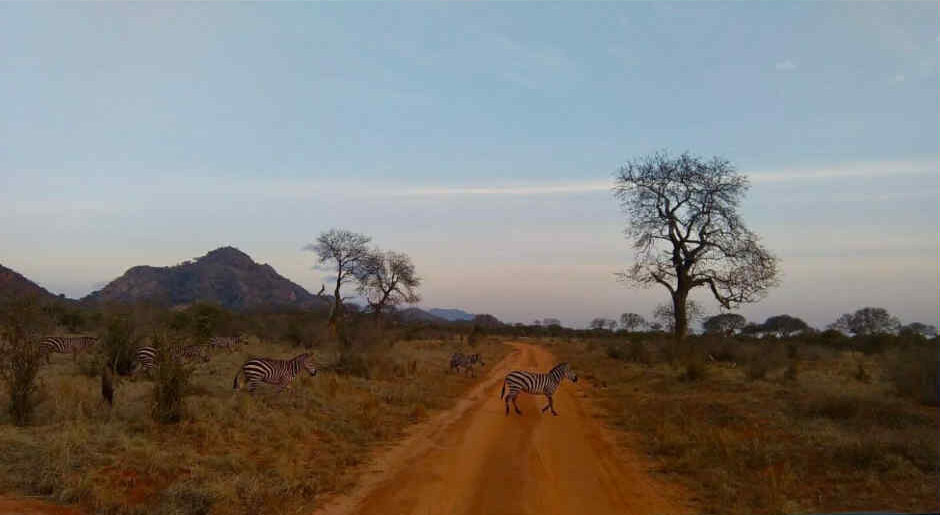
You wake up at dawn. You stretch. Before you, the horizon. Instead of an alarm clock — the birds’ song and the sound of giraffes’ footsteps somewhere far away. You grab binoculars, step out onto the terrace of your stilt house, and watch wild animals. You drink black coffee. You watch the sun paint a lion’s face on the horizon. You can’t believe it’s really happening. Because this is the place where you fall asleep thinking you dreamed a National Geographic documentary.
But no — this is your life.
You smell the red dust of the savannah and know that safari is not an adventure.
It’s an emotion like no other. Something you don’t experience every day. A kind of silence between you and the world that cannot be photographed. The jeeps tearing through the dry earth, Maasai in red robes, walkie-talkie chatter, and eyes fixed on the distance searching for the Big Five.
But Kenya is much more than safari.
It’s Nairobi — where techno clubs dance with tradition, and startups grow right next to East Africa’s largest slums. It’s contrasts that can move you, build you up, but also break you.
It’s the coastline — from Diani through Watamu to Lamu — where beaches are as white as powder, and hotels look like catalog fantasies. Here, you can lie by the pool and watch someone picking a fresh coconut for you. Or ride a tuk-tuk along bumpy roads, banging your head on the roof and knees against your companions’ legs — laughing until tears come.
It’s a land that smells of ocean salt, savannah dust, and history.
A history that inspires but also hurts. Colonial heritage. The Mau Mau uprising. The legend of Dedan Kimathi, who now stands in a monument in Nairobi. It all still lives — just like the Karen Blixen Museum, where Out of Africa becomes more than a book. A breathing story of love, loss, and taming the wild.
Barack Obama, whose father came from Kenya, once said in Nairobi:
“It’s not just about fighting corruption. It’s about everyone having the right to be themselves — woman, man, young boy, LGBT person. It’s about freedom.”
And it’s this freedom that becomes the battleground here.
Because Kenya is a place that refuses to be boxed into stereotypes.
It’s also culture — alive, pulsating, captivating..
More than 40 tribes, including the Maasai and Samburu, whose dance rises like a prayer. It’s cuisine — intense, colorful, with rice cooked in banana leaves, fresh fish, and juicy fruits. It’s fashion, increasingly appearing on global runways. It’s women like Anyango Mpinga and Ayuma Ayunaba, who are redefining African identity.
And then comes the fire — and nothing remains.
Because everything here is fragile. Mud houses. Thatched roofs. Social structures. One spark is enough to erase a whole village. Yet people dance. They laugh. They help each other. They ride bicycles — not for pleasure, but out of necessity. But when you ride a bike for fun, they ask:
“Why, if you don’t have to?”
Their questions say more about the world than any answer ever could.
Kenya is changing. Growing.
Tourism is returning after crises. Nairobi is becoming a center for art, innovation, and African design. But it also hurts. Because luxury is not everyday life here. And the gold on the beach often neighbors the tragedy in the Kibera slums.
It’s a country that speaks with the voice of the past but writes new stories.
A land that needs no filters or captions.
Here, you want to quiet down.
Read a book.
Just be.
And fall silent.

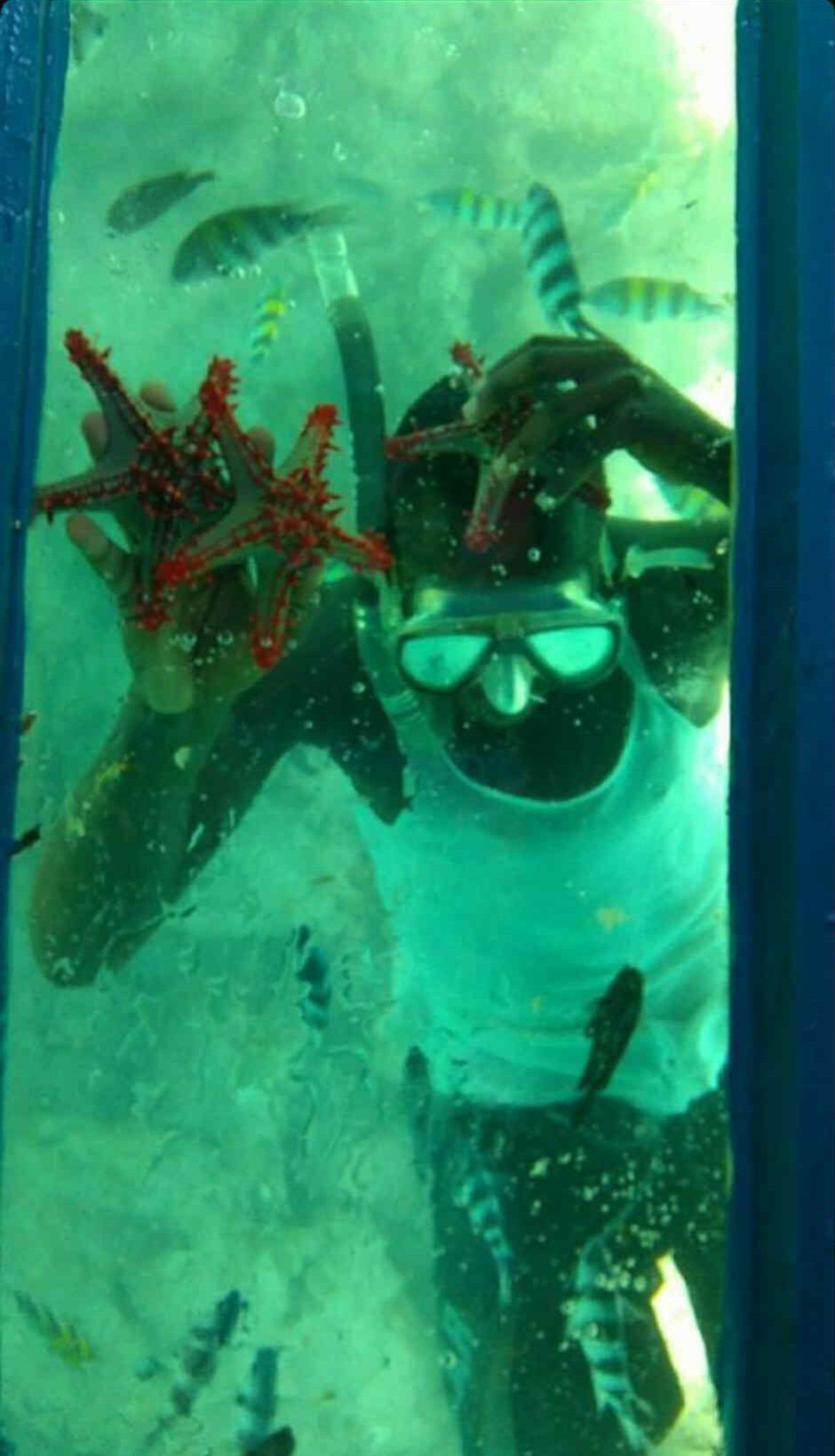
You can combine a safari with relaxation on the shores of the Indian Ocean in Diani Beach, where beach bars, parties, and snorkeling await. You can dance with the Maasai, then end up in an artsy café in Nairobi listening to African hip-hop. And in the morning, set off again in a jeep, chasing the sun.
