

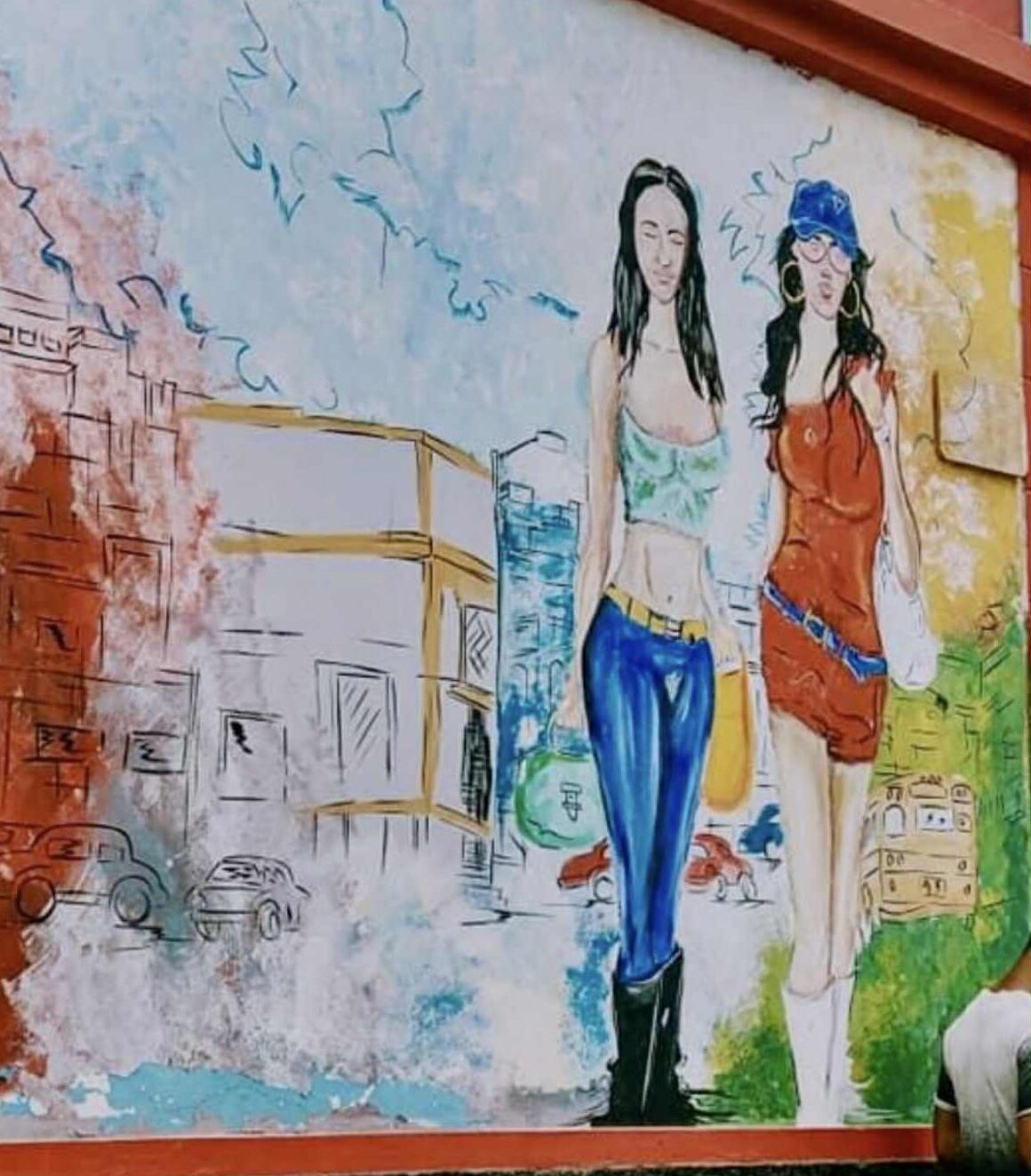
Islands that were long just a dot on the map – uninhabited, mysterious, abandoned by history. Today, they are trying to find their place in the world. They want to be part of the tourism game – and they’re doing their best. Colorful murals on facades, hand-painted pictures drying on lines between balconies, European echoes in cobbled streets, and the scent of grilled tuna wafting from the fish market on the pier.
It’s here that women still carry bowls on their heads with the same strength as their mothers and grandmothers. It’s here you can see sharks and drink grogue – local rum, salt, smoke, and sun. Crabs, langoustines, tuna steaks – the ocean gives, the ocean takes. Because here, it can truly be capricious, unpredictable, and dangerous, as if it remembers that for centuries no one wanted to live here.
Volcanic peaks, wild hiking trails, mountains that crack under the weight of the sun. A landscape raw, but real. A landscape that doesn’t pretend to be paradise – it simply is, sometimes. For a moment. When the wind stops blowing, the waves calm, and only the scent of citrus and smoked fish remains in the air.
But the most extraordinary thing is what happens between the sounds and the scents – a blend of African soul and Portuguese shadow. The rhythms of morna and funaná play in small bars in the evenings, and nostalgia intertwines with pride. The colonial past left its mark here, but it’s a past filtered through the rhythm of drums and dance.
This is Cape Verde – a country that is still waking up, a country that is trying. Modest, sincere, intense. A place where you can sit at a table and say: this is not paradise, this is truth – and that is enough.
